Yes, Invisalign for bottom teeth only may be possible if your lower teeth need minor adjustments and your overall bite is already well-aligned. This approach, called single-arch Invisalign treatment, focuses on straightening one row of teeth rather than both. However, not everyone is a suitable candidate because moving your lower teeth can affect how they fit against your upper teeth.
Maybe your upper teeth look perfectly straight, but your lower front teeth are crowded, crooked, or starting to overlap. Why treat both rows when only one seems to need attention?
The answer depends on more than appearance.
At Invisalign® Provider in Norwalk, CT, we help patients understand their teeth-straightening options and determine whether treating only the lower arch can deliver a healthy, balanced result.
Can You Get Invisalign for Bottom Teeth Only?
Yes. Some patients can receive Invisalign treatment exclusively for their lower teeth. However, the decision depends on the position of both arches, the severity of misalignment, and how your teeth meet when you bite.
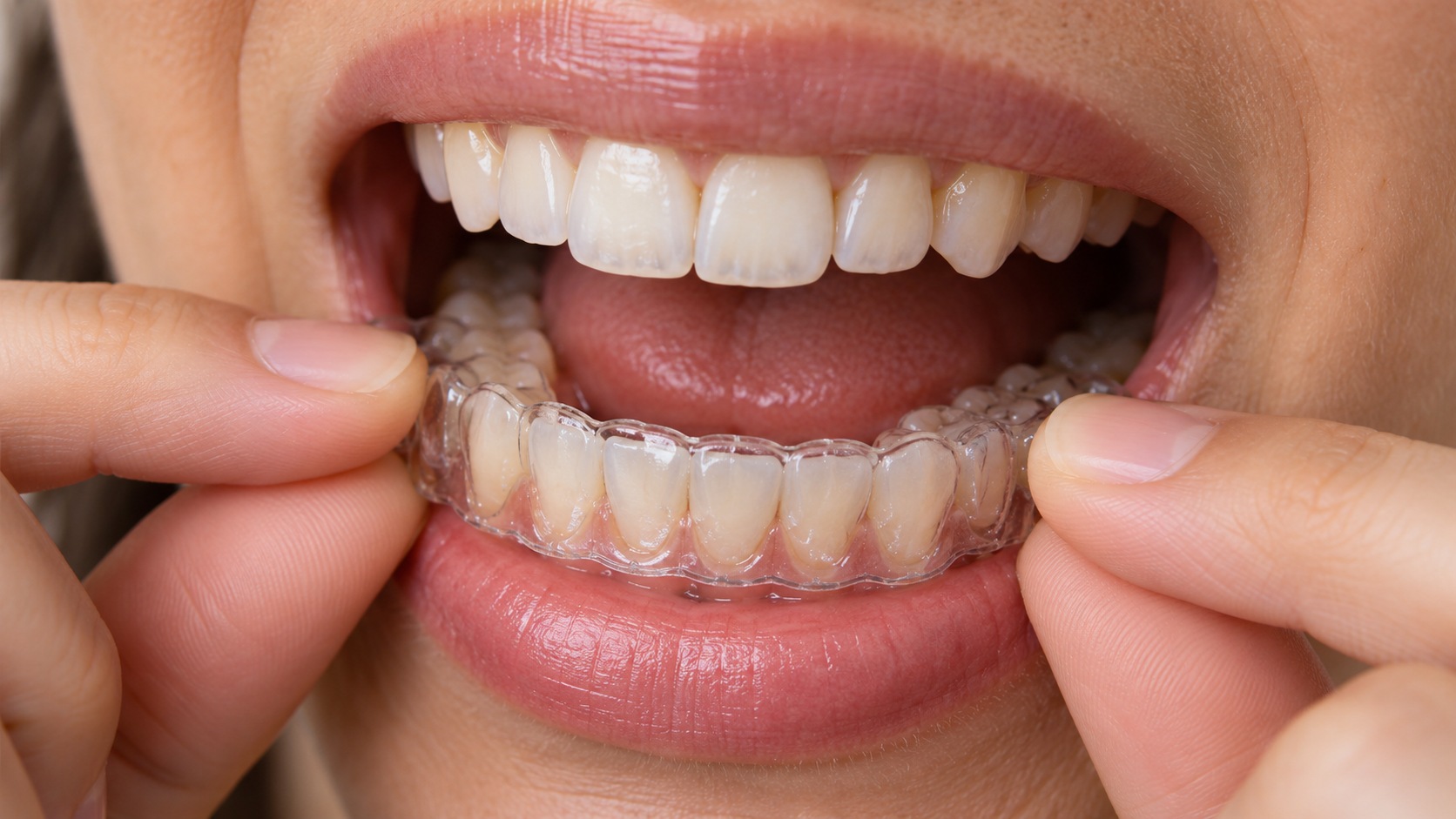
Single-arch Invisalign treatment uses custom-made clear aligners to gradually reposition teeth in either the upper or lower jaw.
When Is Lower-Arch Invisalign a Good Option?
You may be a candidate for Invisalign for lower teeth only if:
- Your upper teeth are already properly aligned.
- You have mild crowding or small gaps between your lower teeth.
- Your bite is stable and doesn’t require significant correction.
- Your lower teeth need relatively simple movements.
- Moving only the bottom teeth won’t create bite problems.
Example: Your upper teeth are straight, but three lower front teeth have become slightly crowded. If your bite is otherwise healthy, your Invisalign provider may determine that lower-only treatment is appropriate.
Why Your Bite Matters When Straightening Only Bottom Teeth
One of the most important considerations in single-arch Invisalign treatment is your bite, also called occlusion.
Your upper and lower teeth work together whenever you chew, speak, or close your mouth. Moving one row without considering the other can change how these teeth contact each other.
The American Association of Orthodontists explains that proper alignment between upper and lower teeth supports comfortable chewing, balanced tooth contact, and long-term oral health.
How Lower Teeth Movement Can Affect Your Bite
Even small changes in tooth position may influence:
- Overbite: How much your upper front teeth vertically overlap your lower teeth.
- Overjet: How far your upper front teeth extend horizontally beyond your lower teeth.
- Crossbite: When certain upper teeth bite inside the lower teeth.
- Tooth contact: How evenly your teeth meet when your mouth closes.
- Chewing comfort: Whether your teeth function together comfortably.
Straightening crowded lower incisors may require creating additional space. Depending on the treatment plan, this could change their position relative to the upper front teeth.
The goal of Invisalign treatment isn’t simply straighter teeth. It’s achieving alignment that supports a comfortable, functional bite.
What Problems Can Invisalign for Lower Teeth Only Correct?
When your bite allows it, lower-arch Invisalign may address several common alignment concerns.
According to the American Association of Orthodontists, clear aligners can help correct crowded teeth, gaps, and certain bite problems, although not every patient is a suitable candidate.
1. Mild Lower Teeth Crowding
Crowding occurs when there isn’t enough space for teeth to sit in their ideal positions.
Lower front teeth are particularly susceptible to visible crowding, which may become more noticeable with age. In suitable cases, clear aligners can gradually reposition these teeth.
2. Small Gaps Between Lower Teeth
Some patients have minor spaces between their lower teeth.
Depending on the cause and size of the gaps, Invisalign may help bring the teeth closer together.
However, gaps caused by gum disease or missing teeth may require additional treatment.
3. Minor Tooth Rotation
A slightly rotated lower tooth may sometimes be corrected with clear aligners.
The predictability of treatment depends on the tooth’s shape, the degree of rotation, and the movement required.
4. Teeth That Shifted After Previous Orthodontic Treatment
Have your bottom teeth started moving years after braces or Invisalign?
Orthodontic relapse can happen, particularly when retainers aren’t worn as recommended.
If the movement is limited and your bite remains stable, single-arch treatment may be an option. Invisalign for adults can help address shifting teeth and improve alignment without traditional braces.
When Is Invisalign for Bottom Teeth Only Not Recommended?
Although single-arch treatment sounds convenient, it isn’t appropriate for every patient.
Your dentist may recommend treating both arches when:
- You have a significant overbite, underbite, or crossbite.
- Your upper and lower teeth don’t fit together properly.
- Both arches have crowding or spacing problems.
- Lower tooth movement would create unwanted bite contacts.
- Complex tooth movements are necessary.
Why Treating Both Arches May Be Better
Consider a patient whose lower teeth appear crowded while the upper teeth look straight.
An examination might reveal that the upper teeth are positioned in a way that limits how far the lower teeth can safely move.
In this situation, adjusting both arches may provide a more predictable result.
Treating both arches doesn’t necessarily mean every tooth needs significant movement. Sometimes, small upper-arch adjustments help create the space needed for successful lower-teeth alignment.
How Does Single-Arch Invisalign Treatment Work?
If your dentist determines that Invisalign bottom teeth only treatment is suitable, the process generally follows several steps.
Step 1: Comprehensive Invisalign Consultation
Your provider examines your teeth, gums, jaw relationships, and bite.
Digital scans, photographs, and X-rays may be used to assess tooth positioning and identify hidden concerns. Your dentist will also discuss available Invisalign treatment options to determine whether single-arch or comprehensive treatment is right for you.
Step 2: Personalized Treatment Planning
Your dentist develops a treatment plan based on the movements your lower teeth require.
Digital technology can help visualize proposed changes and evaluate how they may affect your bite.
Step 3: Wearing Your Clear Aligners
You’ll receive custom aligners designed to move your teeth gradually.
Patients are generally instructed to wear Invisalign aligners for 20–22 hours daily, removing them for meals, beverages other than water, and oral hygiene.
Step 4: Monitoring Your Progress
Regular appointments allow your dentist to monitor tooth movement and check whether your bite remains comfortable and stable.
Additional aligners or treatment adjustments may be necessary.
Step 5: Maintaining Your Results
After treatment, you’ll need a retainer to help prevent your teeth from shifting.
Your dentist will recommend an appropriate retention plan.
Is Invisalign for Bottom Teeth Only Faster or Cheaper?
Single-arch Invisalign treatment may involve fewer tooth movements than comprehensive treatment, but it isn’t automatically faster or less expensive.
Treatment Time
The duration depends on:
- Severity of crowding or spacing
- Complexity of tooth movements
- Whether additional aligners are needed
- Consistency with daily aligner wear
Some limited cases may require less time than comprehensive treatment. However, only a personalized assessment can provide a meaningful estimate.
Treatment Cost
The cost of Invisalign for lower teeth depends on your individual treatment plan.
Although treating one arch may sometimes cost less, pricing varies according to treatment complexity and available options.
Insurance benefits and financing may also affect your out-of-pocket expenses.
Why a Full Invisalign Evaluation Matters
You may be focused on one crooked tooth, but your dentist needs to evaluate your entire mouth before recommending orthodontic treatment.
The American Dental Association emphasizes the importance of professional supervision when straightening teeth, as moving teeth without a complete dental assessment can lead to bite problems and other oral health complications.
For example, a patient may believe their lower teeth simply need straightening, but an examination could reveal a deep bite that affects the available space for movement.
Consulting experienced Invisalign providers in Norwalk can help determine whether single-arch treatment is appropriate for your individual needs.
A complete evaluation helps ensure that your Invisalign plan addresses your long-term dental health, not just the appearance of your lower teeth.
Invisalign for Bottom Teeth Only: Frequently Asked Questions
Can I get Invisalign on my bottom teeth if my top teeth are straight?
Yes, potentially. If your upper teeth are properly aligned, your bite is stable, and your lower teeth need only minor adjustments, single-arch Invisalign may be appropriate. Your dentist must evaluate both arches before confirming eligibility.
Can Invisalign fix crowded bottom teeth without treating the top?
Invisalign can sometimes correct mild lower-teeth crowding without moving the upper teeth. However, moderate or severe crowding may require more complex movements or adjustments to both arches.
Do I need to wear Invisalign on both top and bottom teeth?
Not always. Some patients qualify for treatment involving only one arch. Others need aligners on both arches because their tooth movements or bite correction require coordinated adjustments.
How long does Invisalign for bottom teeth only take?
Treatment time varies based on the severity of misalignment, the movements required, and patient compliance. Limited lower-arch treatment may be shorter than comprehensive treatment, but your provider must evaluate your teeth to estimate the timeline.
Is Invisalign for bottom teeth only worth it?
It can be worthwhile for patients with minor lower-teeth alignment concerns and a stable bite. The key consideration is whether single-arch treatment can improve alignment without compromising dental function or long-term stability.
Ready to Straighten Your Bottom Teeth? Start With a FREE Invisalign Consultation!
Why let crowded or crooked lower teeth hold back your confidence? Invisalign for bottom teeth only may be an option, but the right treatment starts with understanding your bite.
At Invisalign® Provider – Advanced Dental Center in Norwalk, CT, our experienced team will evaluate your smile, explain your treatment options, and help you determine whether single-arch Invisalign is right for you.
Take the first step toward a straighter, healthier smile today!
📍 454 Main Ave, Suite 1, Norwalk, CT 06851
📞 (203) 945-0068
Book Your FREE Invisalign Consultation Today! Your ideal smile may be closer than you think. Let’s find the right way to get there!